Resources

Guides for dry cleaners & retailers

Practical sizing, thickness, and planning tips to help you buy the right packaging the first time.
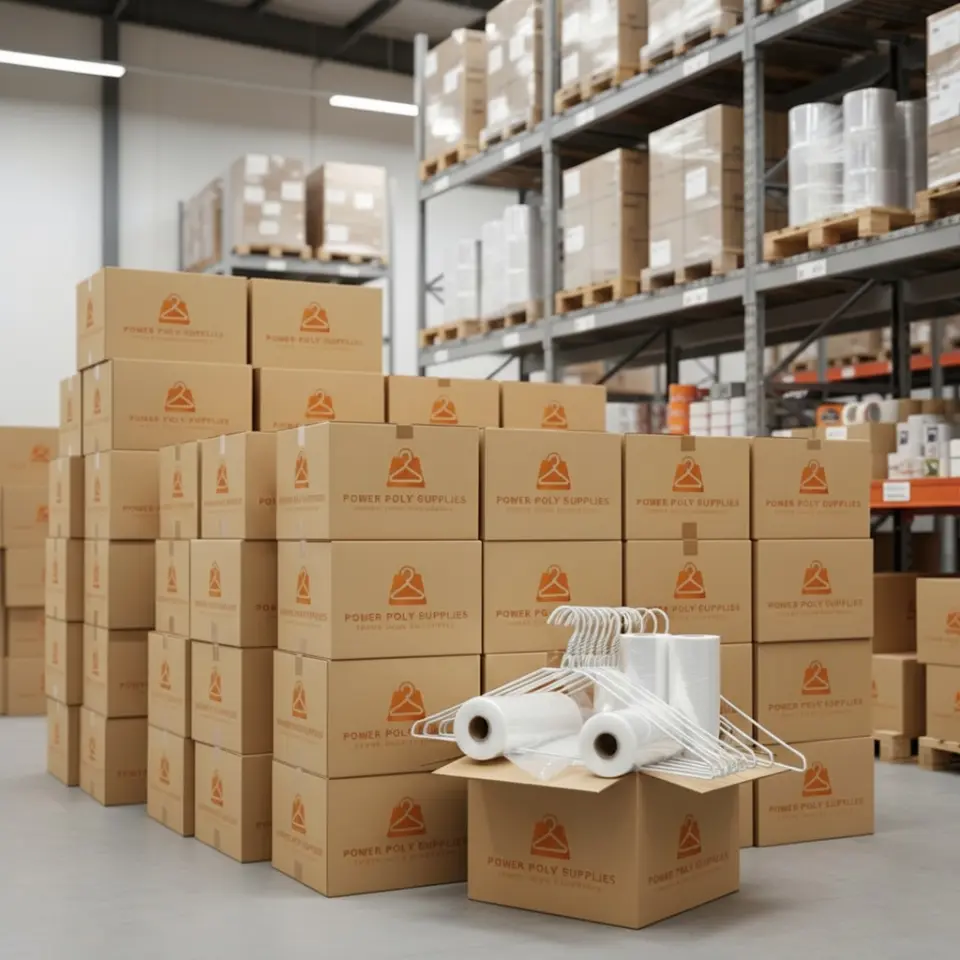
100% Korean-made 100% virgin material Bulk-ready inventory
Save time on reorders
Avoid returns
Buy the right size
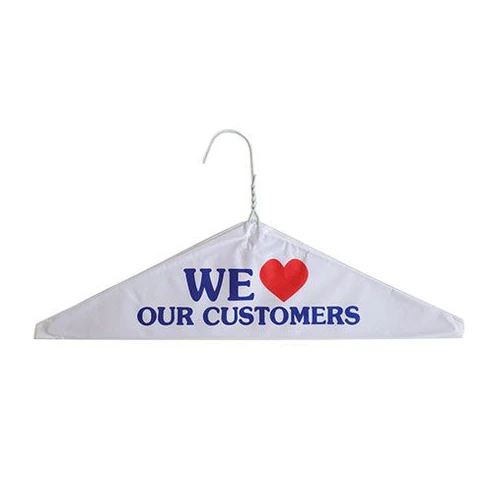
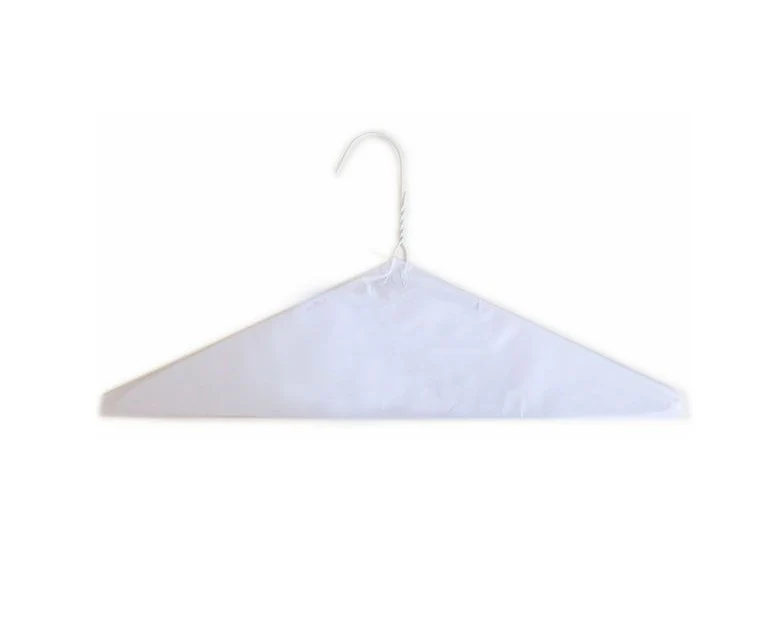
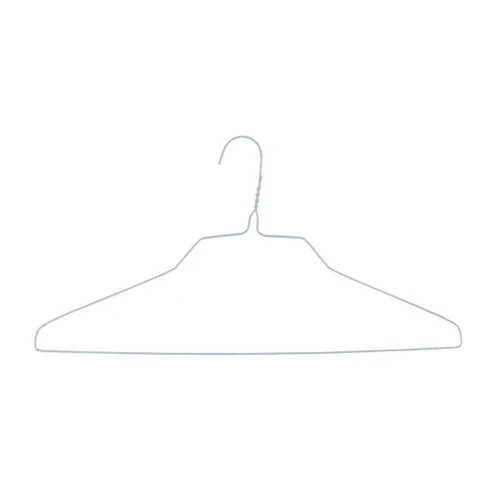
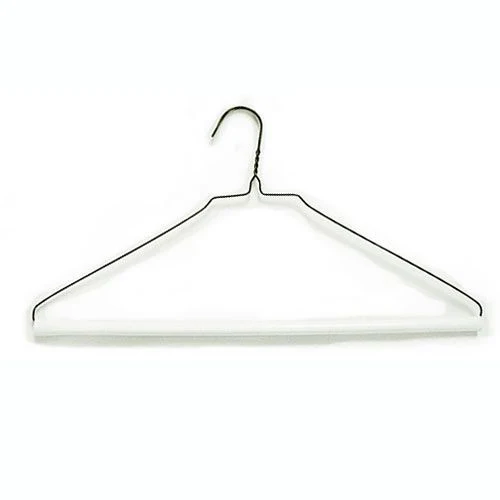
Strut hangers
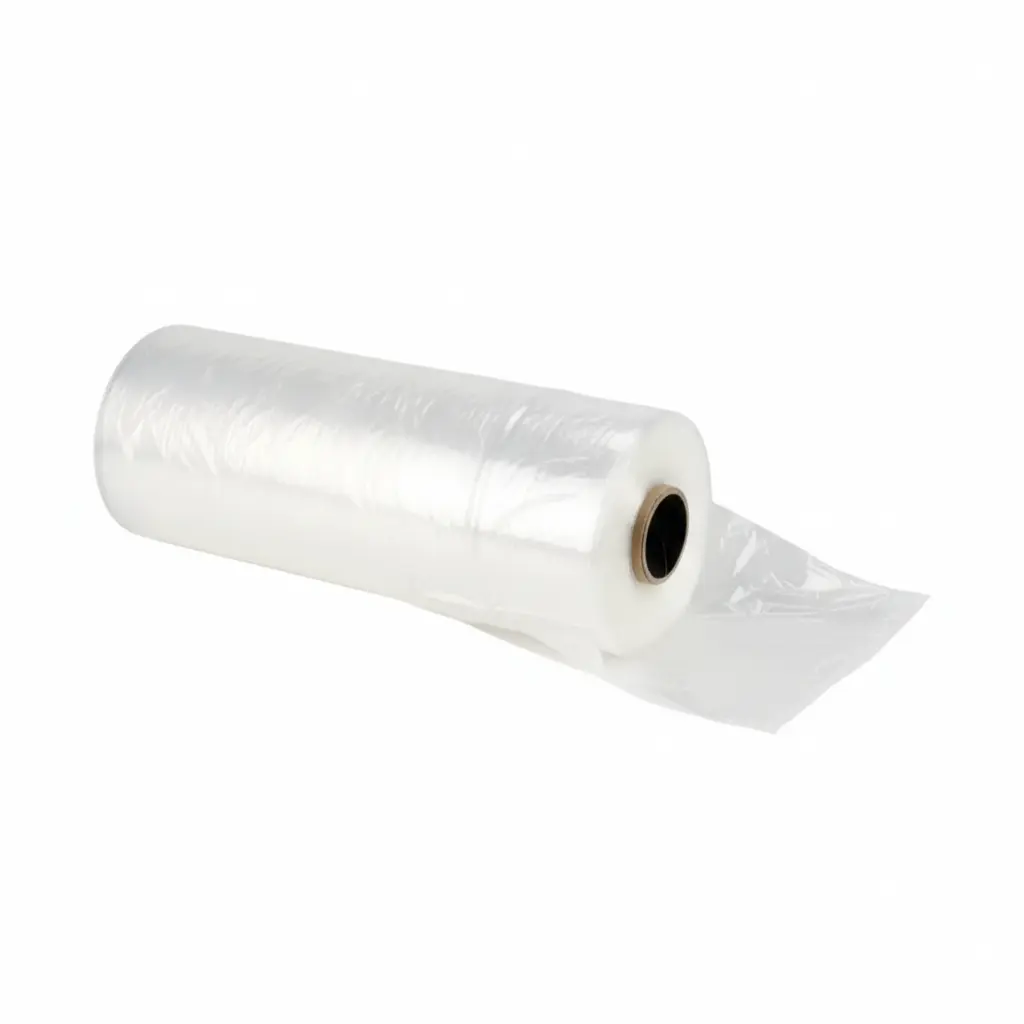
Clear poly bags
Bulk-ready inventory

Quick links

Jump to a guide, or share the link with your team.
Browse products

Blog & news

Industry updates, product launches, case studies, and packaging tips.
View all posts

Video tutorials

Short walkthroughs for sizing, packing, and handling.
Sizing guide
How to measure garment bags
A 2-minute walkthrough for width and length.
Thickness guide
Heavy vs Extra Heavy explained
When to upgrade for routes and sharp edges.
Handling tips
Reduce tears and rewraps
Bundling and storage best practices.
Guide

Guide to choosing garment bag sizes

Best for: dry cleaners, alteration shops, uniform services, retailers.
Shop garment bags

1) Measure the garment (not the hanger)

  • Width: shoulder-to-shoulder at the widest point.
  • Length: from the top of the hanger hook area to the bottom of the garment.
  • Bulk: coats and layered items need extra room (gusset / wider bag).

2) Quick sizing rules (easy to remember)

  • Bag width ≈ garment width + 4-6 inches (room for the hanger + movement).
  • Bag length ≈ garment length + 4-8 inches (so hems don't press the bottom).
  • Gusset: use gusseted bags for bulky winter coats, layered suits, or multiple items on one hanger.

3) Common use-cases (quick reference)

Use-case Typical width Typical length Notes
Shirts / blouses 18-21" 36-40" Most daily dry-cleaning volume.
Pants (folded) 18-21" 36-40" Fold over hanger; shorter bags often work.
Suits / dresses 21-24" 40-54" Go longer for formalwear and maxi dresses.
Coats / outerwear 24-28" 48-60" Consider gusset + thicker film for transport.
Wedding / formal gowns 24-30"+ 60-72" Extra room prevents wrinkling and snagging.

4) Choose the right thickness

For daily use, "standard" thickness is often enough. If customers transport garments long distance, or items are heavy/bulky, go thicker. Use the next guide for a simple thickness decision.

Tip
If you're between two sizes, choose the longer length first (it reduces crushed hems), then adjust width.
Guide

Heavy vs Extra Heavy: which thickness do you need?

A simple decision guide for poly film thickness (often measured in mil).
Shop poly bags

What "heavy" and "extra heavy" usually mean

  • Heavy: a common choice for everyday handling (good balance of cost + durability).
  • Extra heavy: higher puncture/tear resistance for sharper items, heavier loads, or rougher transport.

Thickness naming varies by supplier; always check the product's stated mil / gauge if you need a precise spec.

Pick "Heavy" when

  • You're packing lightweight items (folded garments, liners, standard packaging).
  • Orders are short-distance/local and handled gently.
  • You want the best value for high monthly volume.

Pick "Extra Heavy" when

  • Items have edges/corners (hangers in bulk, hardware, sharp boxed items).
  • Loads are heavy or stacked in transit.
  • Customers carry garments long distance or you need fewer tears/returns.
Quick test
If you're double-bagging often, it's usually cheaper (and cleaner) to switch to a thicker bag once.
Guide

Polybags: materials, clarity & quality

Why “virgin material” and country of origin matter for consistency.
Shop poly bags
100% Korean-made 100% virgin material Clean perforation
Clear poly bags

What “100% virgin material” usually means

  • Cleaner clarity and more consistent thickness.
  • Less odor and fewer visible contaminants.
  • More predictable performance when sealing, tearing, and handling.
Note
Material and origin can vary by item. Check each product page for the specific details.

Made in Korea

Our poly bags are manufactured in Korea for consistent film quality and clean perforation.

Quick buying checklist

  • Use-case: daily store use vs delivery routes vs bulk packing.
  • Thickness: “Heavy” for everyday, “Extra Heavy” for sharp edges / heavy loads.
  • Clarity: clear presentation helps reduce mix-ups and improves customer experience.
  • Finish: look for clean seals, low odor, and consistent tear lines.
Guide

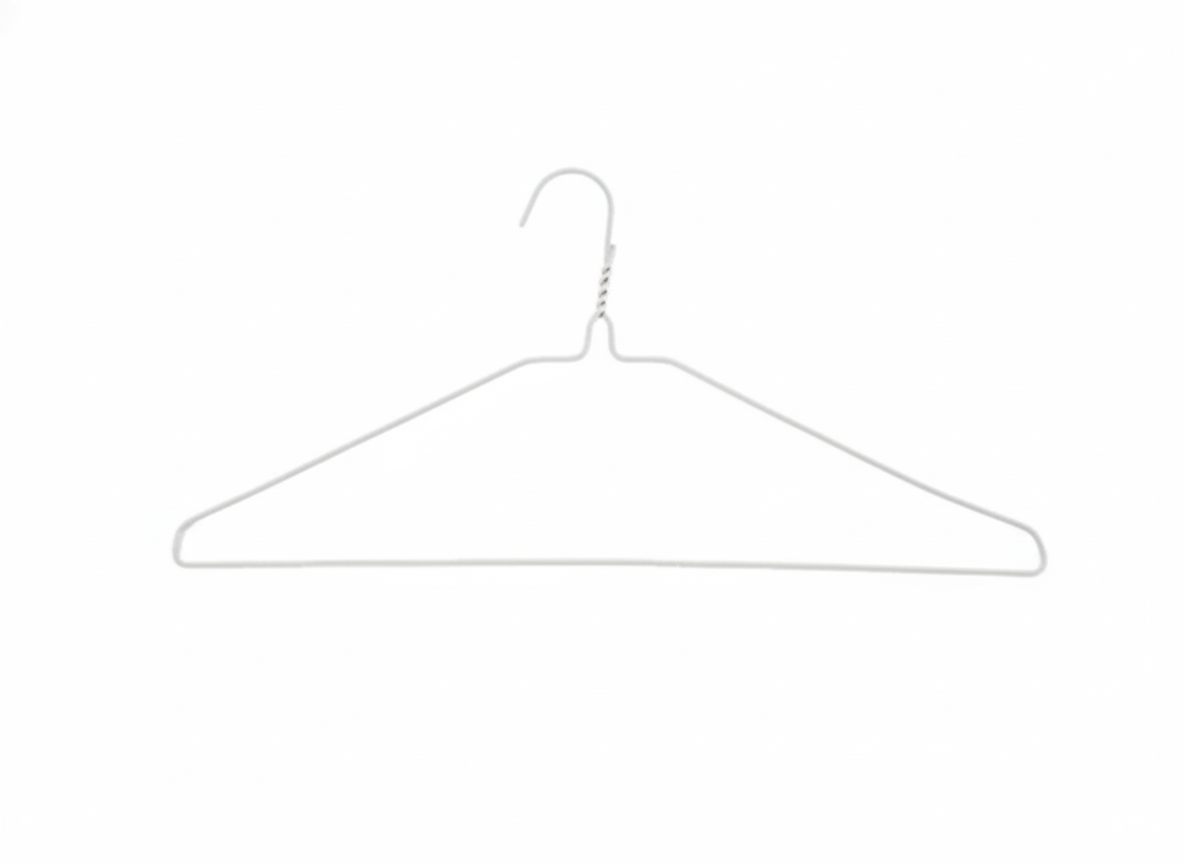
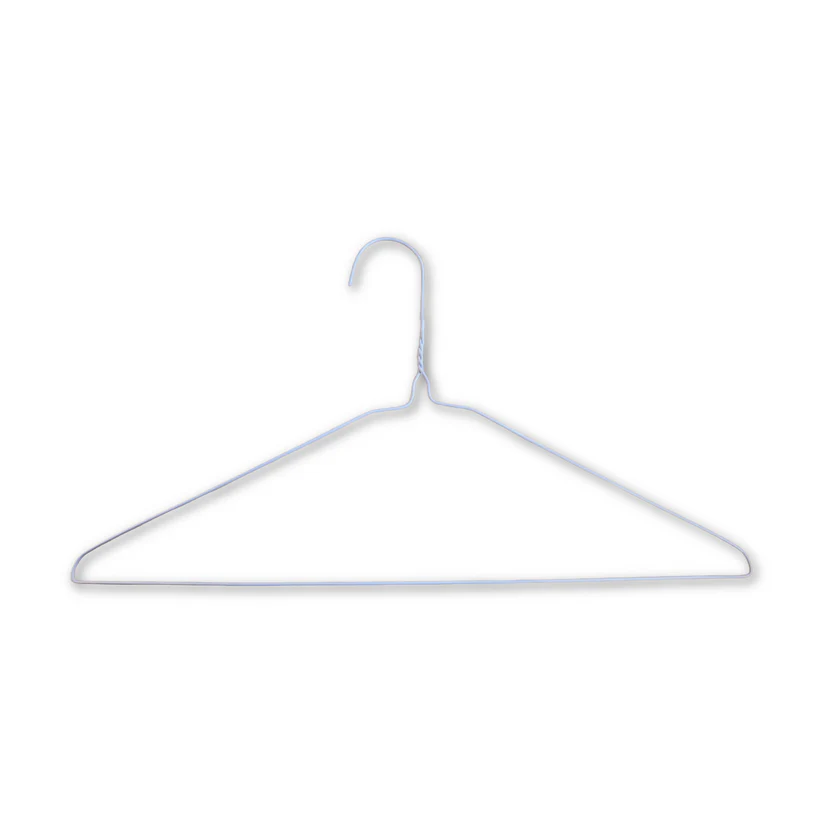
Choosing the right hangers (quick guide)

Pick the right hanger once—reduce returns, rehang time, and damage.
Shop hangers

Match hanger strength to garment weight

Use heavier hangers for suits/coats and lighter hangers for shirts. Stronger hangers reduce shoulder dents and breakage.
Quick decision table

Garment Recommended hanger Why
Shirts / tops Shirt hanger Fast, lightweight for daily volume.
Suits / jackets Suit hanger Better shape retention and shoulder support.
Dresses Dress hanger Helps prevent slipping and creases.
Pants / skirts Clip hanger Secure hold without folding.
Heavy outerwear Heavy-duty / strut hanger Higher strength reduces breakage.
Planner

How much packaging do dry cleaners use per month?

Use this simple method to estimate monthly bags, hangers, and wrap needs.
Get a bulk quote

Step 1: Start with garments per day

Monthly garments = (average garments/day) x (operating days/month)

Example: 160 garments/day x 26 days = 4,160 garments/month

Step 2: Add "mix" by category

Most shops have a mix (example below). Adjust to match your business.

Category Share Packaging used
Shirts / tops 45% Short garment bags
Pants / skirts 25% Short garment bags (often)
Suits / dresses 20% Medium/long garment bags
Coats / outerwear 10% Long + wider (often gusseted) bags

Step 3: Add a waste/redo buffer

  • Recommended buffer: 5-12% (mis-bags, tears, rewraps, rush orders).
  • Higher buffer if you do lots of delivery routes or high-volume weekends.

Monthly order quantity = estimated usage x (1 + buffer)

Interactive calculator
Quickly estimate monthly usage and an order quantity with a buffer.
Monthly garments
0
Suggested order quantity
0 (0%)

Step 4: Convert to a buying plan

  • Daily staples (most common sizes): keep 2-4 weeks of stock.
  • Specialty sizes (extra-long / gusset): keep 4-8 weeks of stock (lower volume).
  • Delivery/transport businesses: plan extra for rewraps and heavier film.
Want a fast estimate?
Tell us your average garments/day, operating days, and whether you deliver. We'll recommend sizes + quantities for your next order.
Contact us Browse products
Case studies

Real ROI examples

See how standardizing packaging reduces rework, returns, and training time.
View case studies
FAQ

FAQ

Quick answers to common packaging questions.
What garment bag size should I stock most?
Most shops start with a high-volume short size for shirts/tops, then add medium/long sizes for suits, dresses, and coats. Use the sizing rules in the guide to choose the safest width/length for your mix.
When should I switch from Heavy to Extra Heavy?
Switch when you see frequent tears, double-bagging, or delivery-route stress (sharp edges, heavy loads, stacked transport). Extra Heavy is usually cheaper than wasting two bags.
What buffer should I use for monthly ordering?
A typical buffer is 5–12% to cover rewraps, tears, and rush orders. Use the higher end if you do frequent delivery routes or high-volume weekends.
How do I reduce returns and rework?
Standardize sizes and hanger types, keep your top sellers always in stock, and match thickness to handling. Consistency is the fastest way to reduce mistakes.
Can you recommend sizes + quantities for my shop?
Yes. Share your garments/day, operating days/month, and whether you deliver. We’ll recommend the best sizes and quantities for your next order.