Industry news
Jan 2026 · 3 min read
Route-ready packaging in 2026: what buyers are asking for
The most common feedback we hear from B2B customers is simple: "Make it consistent." Consistent packaging reduces returns, rework, and customer complaints.
- Clarity + low odor for front-of-house presentation.
- Stable sizing so staff can grab-and-go without measuring.
- Clean perforation to keep lines moving during peak hours.
- Reliable inventory so reorders don't become last-minute emergencies.
Quick tip
Create a "standard pack list" for your team (top 3 bag sizes + 2 hanger types). It speeds ordering and reduces wrong picks.
Product launch
Jan 2026 · 2 min read
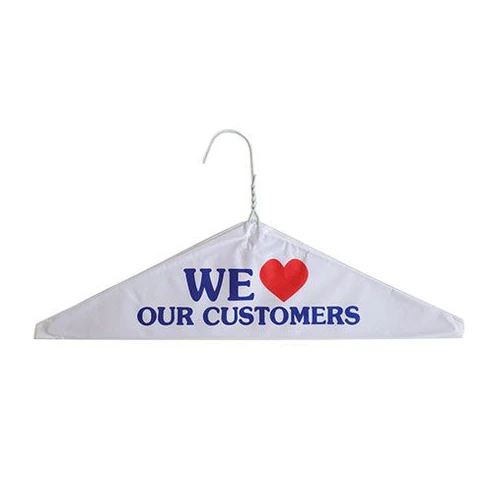
New: We Love Caped hangers for stable drape
Caped profiles help garments sit cleanly and reduce slipping in transport - especially capes, gowns, and long garments that need stability.
Where these shine
- Formalwear, gowns, and long garments
- Shops that do frequent delivery routes
- Any workflow where fewer "slips" means fewer rehangs
Shop hangers
Case study
Jan 2026 · 4 min read
How one shop cut rehang time with a simple hanger standard
A dry cleaning shop standardized to a small set of hanger types. The result was faster training, fewer mistakes, and smoother rework when garments came back for adjustments.
What they changed
- Defined 3 default hangers: shirts, suits, and heavy garments.
- Kept 1 specialty option for edge cases (dresses / gowns).
- Matched each to a bag size so packing became predictable.
Outcome
Less rehang time, fewer "wrong hanger" returns, and a cleaner back-of-house workflow during peak days.
Packaging tip
Jan 2026 · 2 min read
Heavy vs Extra Heavy: a quick pick for daily use
If you only remember one thing: pick thickness based on handling (sharp edges, weight, and transit), not just "everyday vs premium."
Choose Heavy when
Daily store use, light garments, quick in-and-out handling.
Choose Extra Heavy when
Delivery routes, heavier garments, sharp edges, or anything that stresses seams.
See the full thickness guide
Packaging tip
Jan 2026 · 3 min read
Garment bag sizing: a 60-second cheat sheet
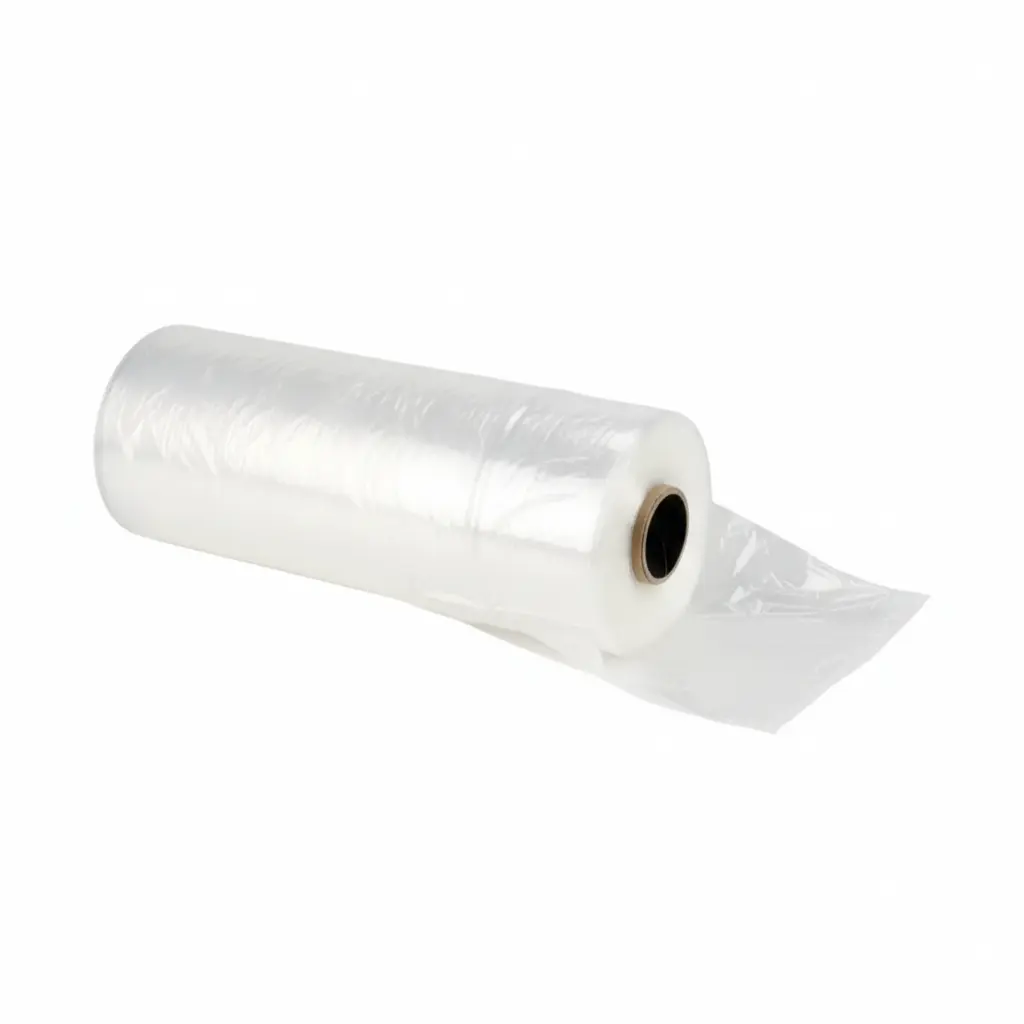
Sizing doesn't need to be complicated. Choose a safe width for shoulders, then pick length based on your longest common garments.
Quick sizing rules
- Width first: pick a width that covers your widest shoulders + a little slack.
- Length second: match to shirts/tops, then add a longer size for coats/dresses.
- Standardize: 2-3 sizes cover most shops and cut "wrong bag" rewraps.
See the full sizing guide
Case study
Jan 2026 · 4 min read
A uniform program that stayed consistent across 3 locations
A multi-location customer reduced mix-ups by standardizing a small set of sizes, thickness, and hanger types - then documenting the default pack.
What they standardized
- 2 thickness options (daily handling vs route stress).
- 3 hanger types (shirt, suit, heavy garments).
- Staging labels by department or unit.
Outcome
Fewer wrong-department handoffs, faster training, and reorders that matched month to month.
Product insight
Jan 2026 · 3 min read
Clear film matters: what "clean clarity" really looks like
Customers notice packaging quality immediately. Clear, low-odor film and consistent sizing helps presentation feel premium without extra effort.
What to check before a bulk reorder
- Clarity: film should look clean, not cloudy or inconsistent.
- Odor: low-odor material matters for customer pickup.
- Consistency: stable sizing makes packing fast and repeatable.
Browse polybags
Packaging tip
Jan 2026 · 3 min read
Ordering buffers: why 8-12% is the "safe zone"
Most businesses under-order because they only plan for perfect usage. A small buffer covers rewraps, damage, and rush days without overbuying.
Use 8% when
Mostly in-store pickup, low route stress, stable weekly volume.
Use 12% when
Delivery routes, sharp edges, heavier garments, or frequent rush orders.
Try the monthly usage planner
Packaging tip
Jan 2026 · 4 min read
Stop route damage: 5 fixes that reduce tears and rewraps
Route damage usually isn't "bad bags" - it's a mismatch between thickness, bundling, and handling. These fixes reduce rewraps and keep deliveries looking clean.
- Match thickness to stress: upgrade only where you see repeated tears.
- Bundle smart: grouped orders stay cleaner and easier to carry with consistent bag sizing.
- Avoid sharp stress points: hangers and corners can cut film during stacking.
- Standardize sizes: consistent sizes stack better and reduce crushing.
- Document a default pack: reduces variation across shifts.
Packaging tips
Feb 2026 · 2 min read
Care instructions: keep garments protected in transit
Small handling improvements keep bags clear, garments clean, and routes efficient.
- Store bags upright to avoid creasing.
- Use thicker film for sharp edges or delivery routes.
- Bundle by size to prevent mix-ups during rush.
Case study
Feb 2026 · 3 min read
Case study: cutting delivery complaints by standardizing bags
A dry cleaner serving three neighborhoods reduced rewraps and route complaints by standardizing bag sizes and thickness.
- Reduced rewraps by 18% in the first month.
- Training time dropped by one shift.
- Routes shipped faster with fewer stops.